Traffic Rules Decoded: Speed Limits & Drunk Driving Laws in Punjab
Ever wondered why speed limits change from road to road or exactly how much alcohol triggers a challan? In this exclusive interview with a Traffic Police Officer, we clarify the rules regarding speed cameras, divided roads, and the new regulations for vehicle impounding.
🚗 Understanding Speed Limits on Different Roads
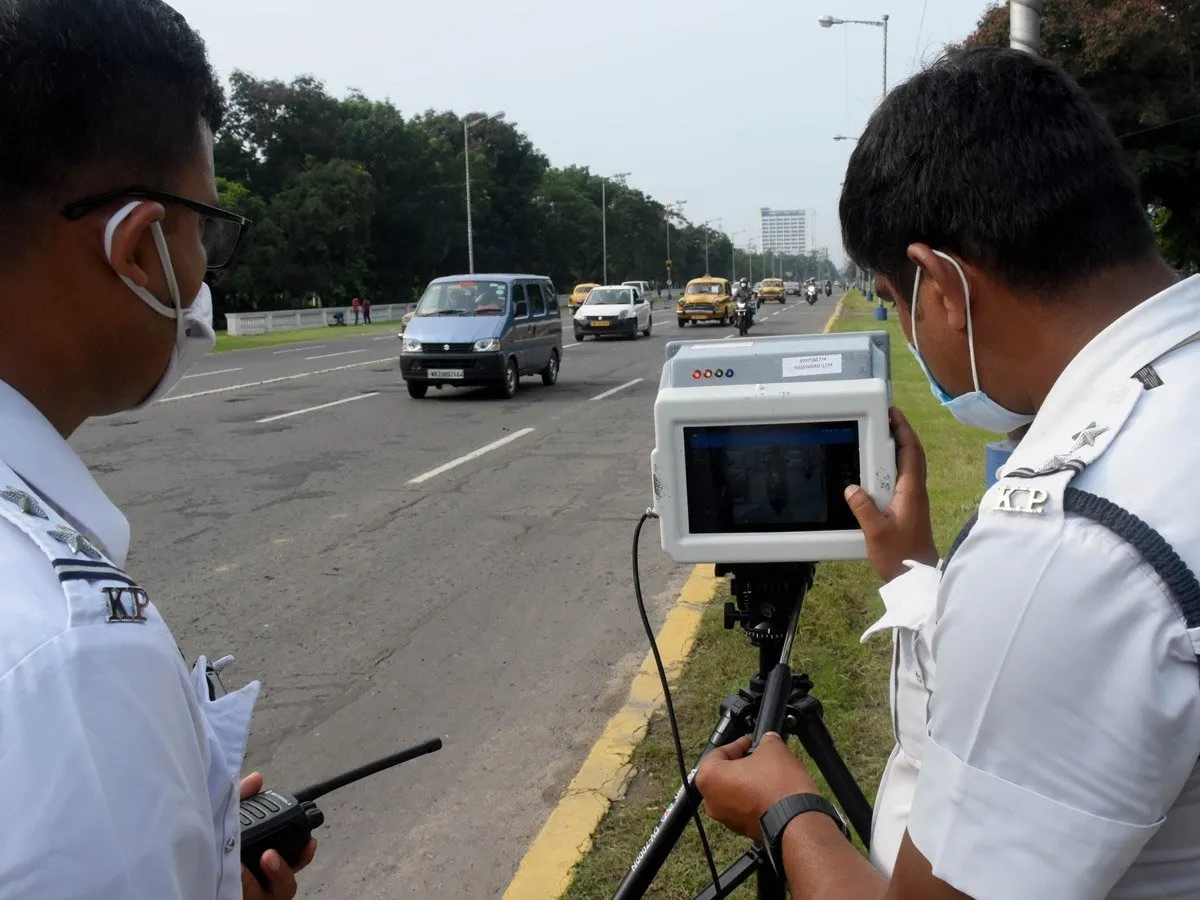
Modern speed cameras automatically capture violations without human intervention.
The officer explains that speed limits are not random; they are set according to the road infrastructure.
Speed Limits Breakdown:
- Divided Road (With Divider):
- Cars: 60 km/h
- Motorcycles: 45 km/h
- Heavy Vehicles (6-Tyre): 50 km/h
- Single Road (No Divider):
- Cars: 50 km/h
- Motorcycles/Heavy Vehicles: 40 km/h
The camera is automated. It doesn't care if you are in 5th gear or 3rd gear; if the speed exceeds the limit, it clicks the photo and sends the challan.
🚑 The Ambulance Excuse
Many people claim they got a challan because they sped up to give way to an ambulance. The officer clarifies that usually, giving way does not require exceeding the speed limit drastically. However, sudden braking or swerving often catches the camera's attention.
🍷 Drunk Driving: The 30mg Rule
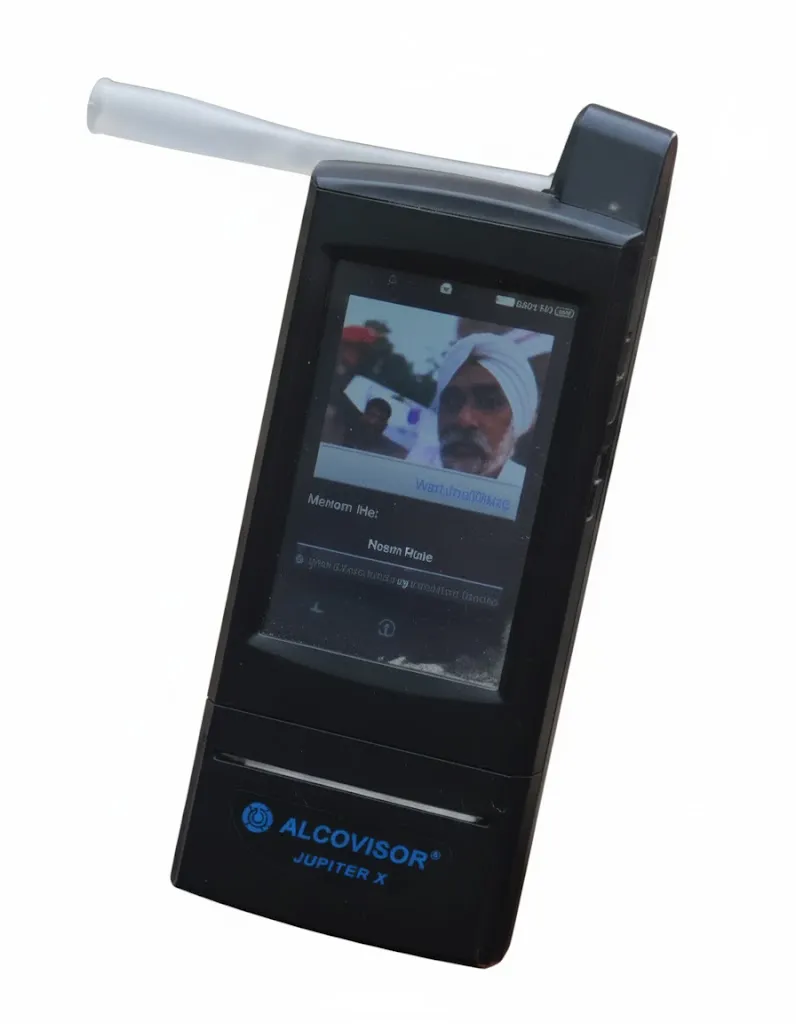
The Alcometer captures a photo instantly when you blow into it.
The Alcometer is strictly for alcohol (Daaru), not other drugs. It has a built-in camera that clicks the driver's photo the moment they blow into it.
The Limit:
If the alcohol content is more than 30mg per 100ml of blood, a challan is issued.
- Old Rule: The vehicle was immediately impounded.
- New Rule: If there is a sober person (with a valid license) in the car, the police may hand over the vehicle to them instead of impounding it. However, the drunk person cannot drive.
Tip: Even one peg or a couple of beers can push you over the 30mg limit depending on your body type. It's safer to avoid drinking and driving completely.
🚦 Stay Safe on the Roads
Follow traffic rules to ensure your safety and avoid heavy fines. Have a question about a challan?
Ask Us❓ Frequently Asked Questions
On a road with a divider, the general speed limit for cars is 60 km/h. On single roads without a divider, it drops to 50 km/h.
The legal limit is up to 30mg of alcohol per 100ml of blood. Anything above this will result in a challan and possible vehicle impoundment.
Under new guidelines, if there is a sober passenger with a valid driving license in the vehicle, the police may hand over the car to them. If you are alone or no one else can drive, the vehicle will be impounded.